

Improving fertility, one day at a time
Female hormones are naturally hardwired into a 28-day cycle (varies greatly in our modern era). The four phases are characterised by vastly different concentrations in hormones, which means that a woman will become four different people over the course of her cycle! Crazy.
The following archetypes personify the phases of the female menstrual cycle:
Menstrual cycle: Baba Yaga (crone): hermit-like, quiet with an affinity for dark clothes.
Follicular phase: Luna Lovegood from Harry Potter (maiden) comes out from day 4-13. She’s innocent, ready to talk to strangers and smell the roses.
Ovulation phase: Miss Honey from Matilda (mother) makes an appearance at day 14. This is a time for peak creativity and harnessing the sexual energy from the spike in testosterone.
Luteal phase: Your inner Zelda Spellman from Sabrina (The High Priestess/ sorceress) ushers in the luteal phase. This is a highly psychic and reflective time.

Oestrogen dominates the first half of the cycle to promote energy and enable proliferation of the uterine lining to support a potential pregnancy. Follicle-stimulating hormone promotes the maturation of ovarian follicles. Luteinising hormone cracks the whip for the magic release of the egg.
Basal body temperature drops at the release of luteinising hormone and then makes a sharp rise after ovulation as progesterone rises from about day 15. Progesterone activates the hypothalamus to increase basal body temperature and metabolism as the body prepares for potential implantation and subsequent pregnancy.
In early pregnancy, a triphasic pattern can be visualised where progesterone will exponentially increase with implantation.
In the event of no pregnancy, progesterone levels will slowly decrease over the second half of the cycle. The baby room is prepared in every cycle, whether fertilisation occurs or not.
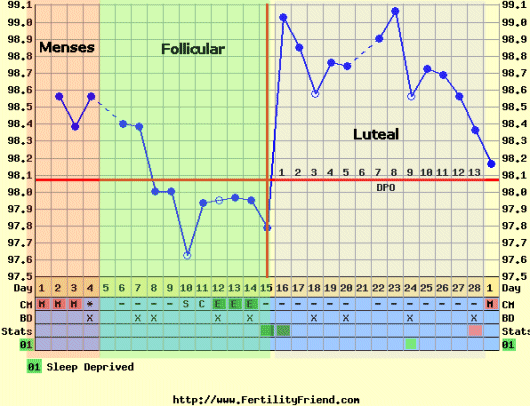
Figure 1. Progesterone levels over a normal cycle in absence of fertilisation or implantation (source: Fertility Friend)
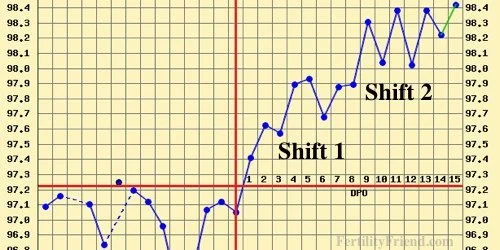
Figure 2. Triphasic increases in progesterone in early pregnancy (Source: Fertility Friend)
Why should you measure your temperature even if you aren’t planning on pregnancy anytime soon? Progesterone can be a critical indicator of your current fertility and can help you to troubleshoot any issues in planning for pregnancy well in advance. Don’t wait until you start trying to pinpoint these issues.
Low BBT can indicate oestrogen dominance or adrenal issues caused by excess cortisol that can affect progesterone production. Pregnenolone is a precursor to progesterone, however in times of stress, this gets diverted to cortisol production. Stress therefore has an inverse relationship with progesterone levels.
Oestrogen dominance is characterised by symptoms that generally appear in the second half of the cycle- weight gain, water retention, tender breasts and low mood. If oestrogen is high, progesterone will typically be low and result in generally low BBT and an insignificant luteal rise.
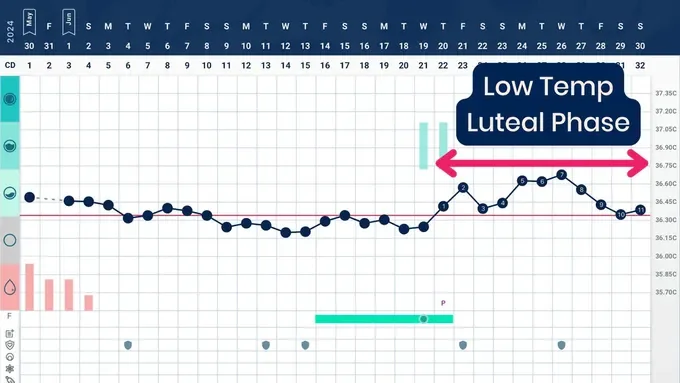
Figure 3. Low progesterone or luteal phase deficiency (Source: Tempdrop)
Excess stress can also be seen in a saw-tooth pattern, which could also reflect nutrient deficiencies or thyroid issues (that promote additional body stress). Relaxation techniques, stress management and correcting nutrient deficiencies (particularly iodine and selenium for thyroid) are key in regulating hormones and repairing the menstrual cycle.
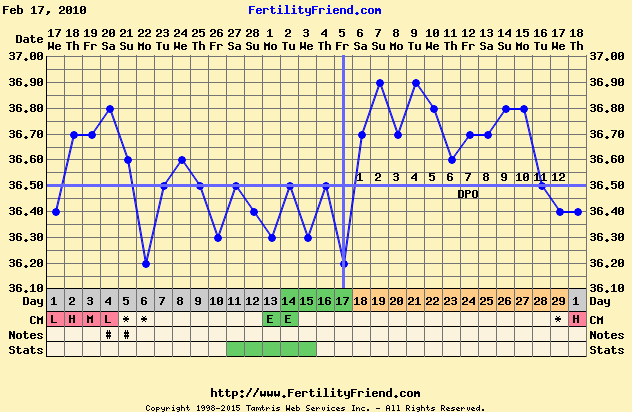
Figure 4. Sawtooth pattern (source: Fertility Friend)
Start taking your BBT today (make sure you have a thermometer with 2 decimal places). I got mine from Welcare (not an ad) but there are a whole range of BBT thermometers out there. Fertility Friend is a free app (also not an ad) that can help with tracking BBT and give you science-based and anecdotal insights about your cycle compared with hundreds of other users.
Take your temperature (under the tongue) on waking, before getting out of bed. For more consistent results, try and take your BBT at the same time every morning.