

Soluble fibre guide: Liver care PART 2
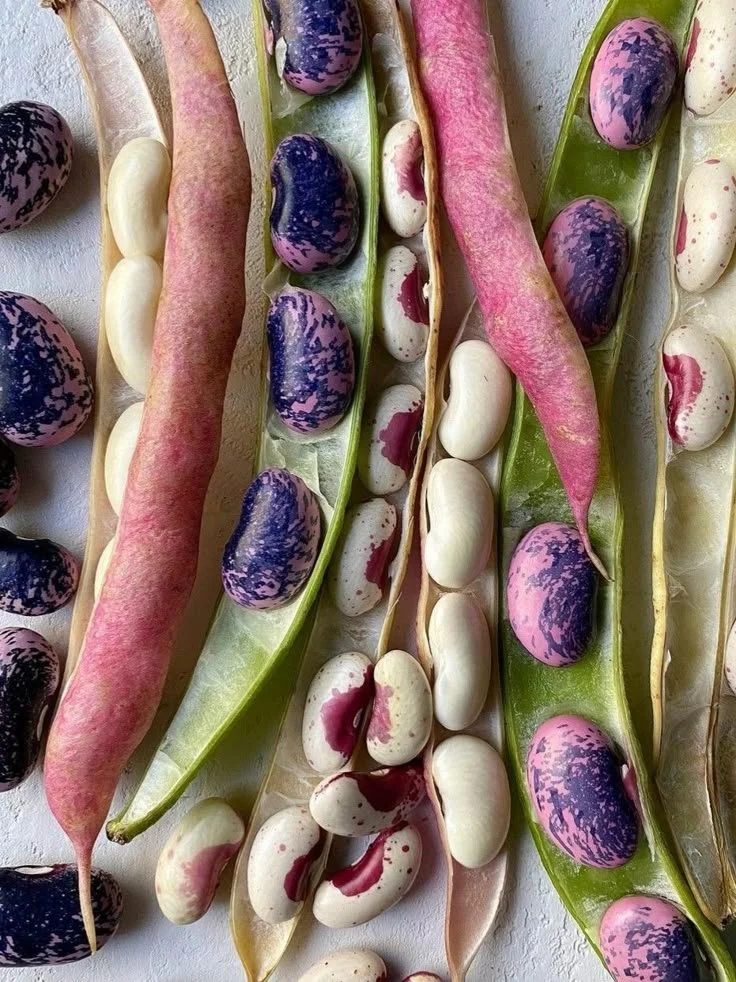
What do you think of when someone says detox? Our wellness-obsessed society has programmed fasting and intense juicing into detox protocols. Juicing and fasting actually does the opposite of detox. It prevents the body from making a healthy bowel movement, and then any icky stuff that is “detoxed” is then reabsorbed and recirculated after failing to be eliminated by the bowel.
The reason that people feel better when “detoxing” with fasting and juicing is because resting your digestion prevents “bile dumping”. Bile is released as you eat to aid digestion, particularly with fatty or high protein meals. Bile is also the substrate that directly supports liver detoxification and contains fat-soluble toxic metabolites of steroid hormones, environmental and dietary toxins that have been through liver detox pathways.
“Bile dumping” symptoms can include post-prandial (after a meal) slumps, nausea, acne, reflux, constipation, gallstones, dermatitis, and histamine intolerance. As soon as solid food is recommenced, a subsequent bile dump sees old symptoms immediately return. A lot of health rhetoric often lacks the understanding of toxic bile and makes you feel like perfect health is “just around the corner” or that you’re feeling crappy because “you’re not being good enough”.
Any of these symptoms signal damage to the liver, and over time will deplete nutrients required for efficient liver detox and gut function such as zinc, potassium, B-vitamins, selenium and magnesium. Depletion of these nutrients affects every organ in the body and causes fatigue, acne, hormone dysregulation, thyroid disorders, infertility, reflux, low immunity and insulin resistance.
There is a very simple solution that you can start today to repair your gut elimination pathways to support liver detoxification. Inexpensive, plain old beans are the most effective and nutritious thing to add to your diet. No rare, expensive supplements or crazy regimens.
To repair your liver detoxification pathways, bowel function and elimination pathways need to be restored. Insoluble fibre is the broom, and soluble fibre is the mop. Soluble fibre is critical to bind with deconjugated bile acids so that they can be swept out with the next bowel movement. If the bile acids are not bound and eliminated, they are reabsorbed back into circulation via the portal vein.
Tia’s favourite soluble fibre sources
Beans, peas or legumes (1/2 cup serve)
Psyllium husk (1/2-1tbs serve) with 100mLs water.
Partially hydrolysed guar gum (PHGG) (1tsp serve) with 100mLs water.
Other sources of soluble fibre include potato and rice (must be cooked and cooled to form resistant starch), Jerusalem artichoke, green bananas, and cooked oats.
It is really important to have psyllium husk and PHGG in at least 100mLs water to prevent constipation. Soluble fibre is functional and works quickly to improve your gut health but can initially have some pretty uncomfortable side effects as it binds with sludgy bile wastes to form gas and cause bloating and distension. Start slow!
Tia’s Soluble Fibre Protocol
If you are new to beans, start with 1-2 tbs and work up to ½ cup. Aim for 2-3 serves of soluble fibre per day. Work with your body and decrease the dose if gas and bloating become too uncomfortable. It is more important to dose smaller amounts regularly than to take a big dose that you can’t tolerate.
Bean method
Beans need to be soaked for 8-hours and then rinsed thoroughly. Add to a saucepan with filtered water and bring to the boil. Stir in ½ tsp sodium bicarbonate and leave to simmer for 40-minutes, or until soft. Serve and consume immediately, or store in the fridge.
Some ways to add beans into your diet:
Add unsalted beans to smoothies.
Combine ½ cup beans with pinch salt, 1 torn-up nori sheet and a squeeze of lemon. Add ½ cup salted beans to rice or salad dishes.
Homemade hummus to add to meals or as a snack.
Homemade white bean aioli to add to meals or as a snack.
This is part two of a three-part series in improving liver function. Want to know get in touch? Book an appointment with me here or email me at tia@themagicbean.com.au